HVAC
How to cut your cooling bills without touching the thermostat
Most people, when the summer bill arrives, do exactly one thing: they move the thermostat up by two degrees and then complain that the house feels stuffy. That is backwards. Thermostat settings change demand; they do not change the amount of work the system has to do. The cheapest cooling dollars are the ones you never generate — and on most Los Angeles homes, that money is being lost in places nobody thinks about.
1. Fix the airflow before you fix anything else
Restrictive filters, closed registers and a congested return path force the system to run longer for the same temperature. Most homes we service have at least one return grille blocked by furniture or a stack of storage boxes. Clear it, change the filter monthly, and check that every room has an unobstructed supply vent. This alone regularly recovers 10–15% of cooling energy.
2. Look at the condenser, not just the indoor unit
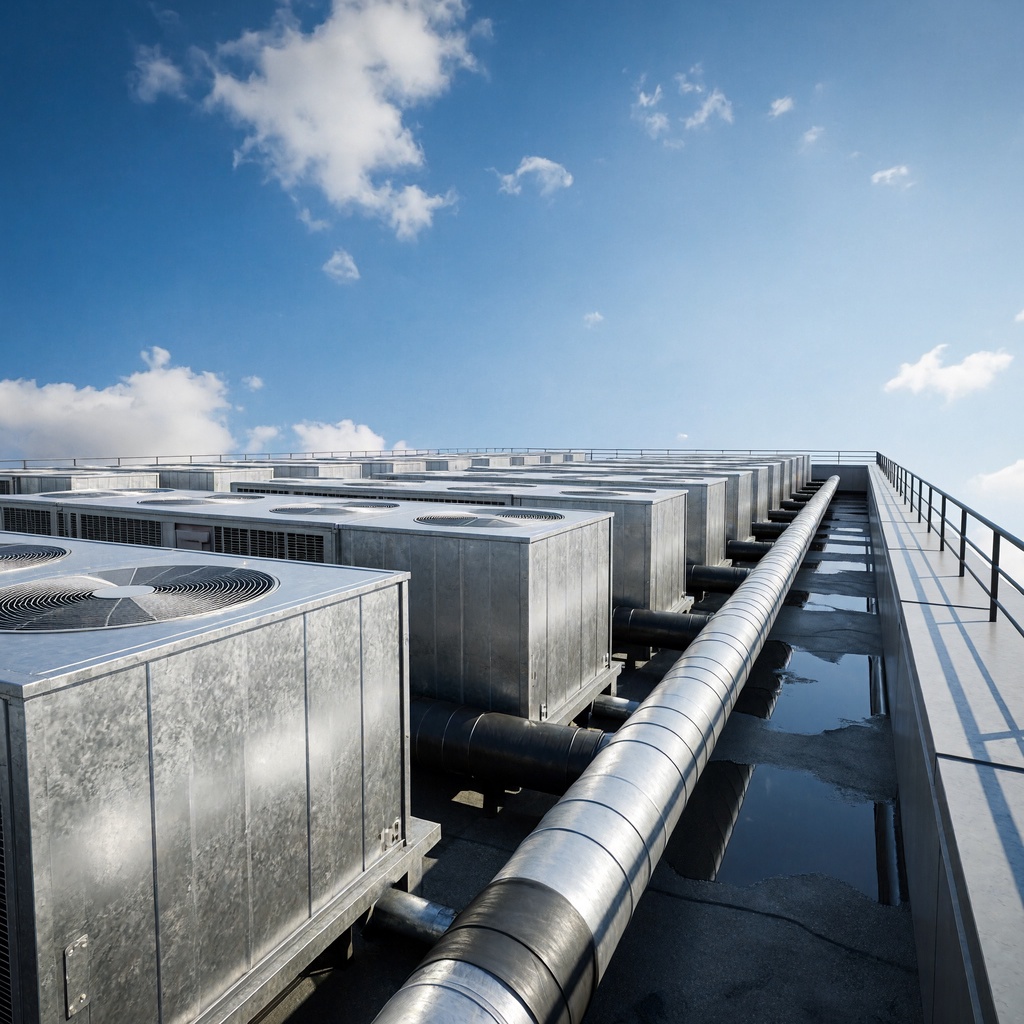
The outdoor unit rejects heat into your yard. If the coil is packed with dust, cottonwood fluff or spider webbing, it cannot reject heat efficiently and the system runs long to hit the same setpoint. Hose the coil down with a garden hose once a year — keep the fins combed and never bend them.
3. Find and seal the bypass
Ducts running through attics, crawlspaces and garage walls are the most common cause of a home that never cools evenly. Cheap foil tape over the joints is a temporary fix; proper mastic or UL-listed flex duct with a rigid liner is the permanent one. If your attic looks like the inside of a cardboard box, budget for a proper job rather than another tape roll.
4. Consider shading — carefully
South and west facing glass is the largest single cooling load in most Southern California homes. Low-E film or exterior shading on the hottest hours reduces solar gain at the source, which is dramatically more effective than trying to cool the room afterward. Just make sure the film or shading you choose is designed for solar rejection, not just for privacy.
5. Check the thermostat location
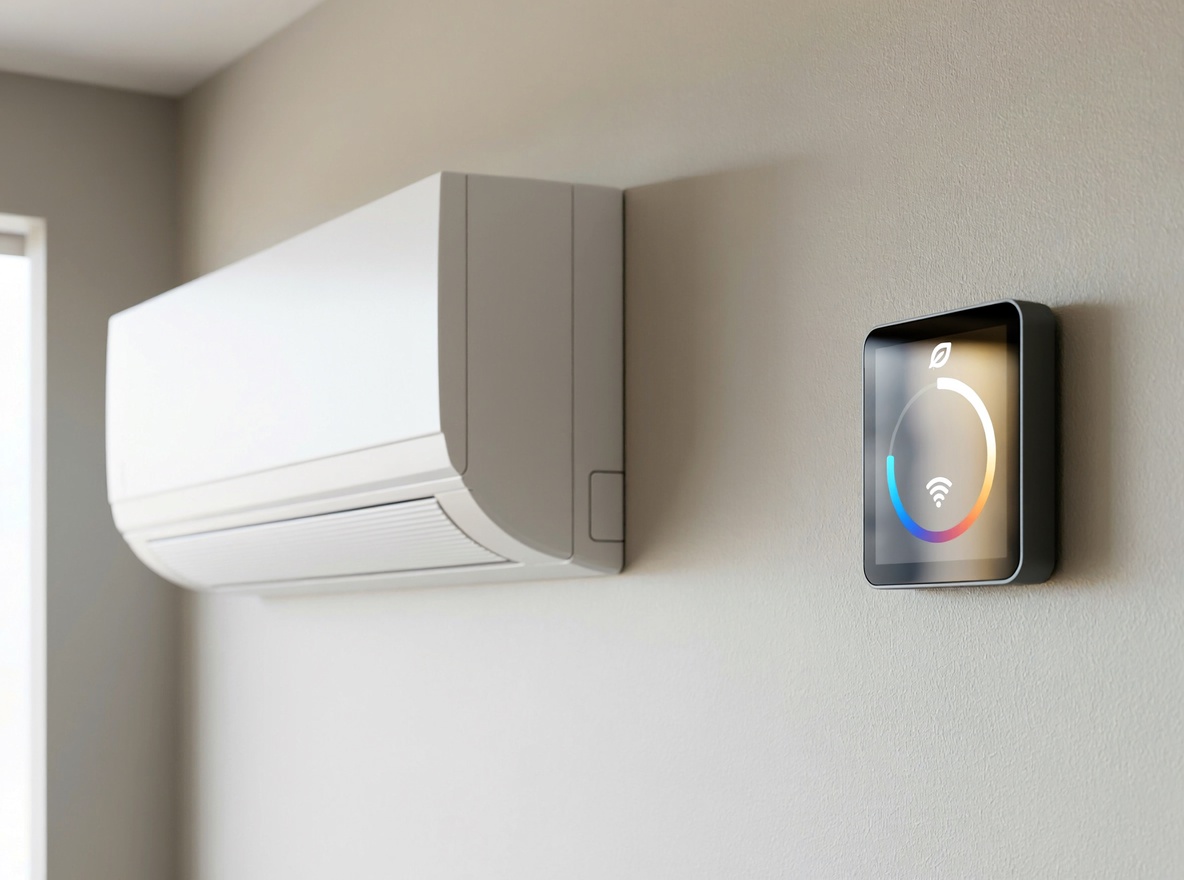
A thermostat mounted near a window, a sunlit wall or an HVAC supply vent reads the wrong temperature and cycles the equipment on and off unnecessarily. Ideally it sits on an interior wall, about chest height, in a room that is representative of the whole house. Moving one is a fifteen-minute job with a large payback.
6. Do not ignore the condenser coil and the line set
If your system is more than roughly fifteen years old, the single most effective thing you can do for both comfort and cost is a properly sized, correctly installed replacement. Modern inverter and heat pump equipment runs at variable speed and eliminates the on-off cycling that dominates a lot of older bills. The key word is properly sized — an oversized unit short-cycles, runs wet and burns more electricity than it saves.
What to do next
Start with the free items: filters, airflow, condenser coil and thermostat placement. If cooling is still uneven and the bill still climbs every year, get a proper load calculation before you buy anything. A load calculation takes about an hour, tells you the correct tonnage, and saves you from the most common and most expensive HVAC mistake in the county.